Showing posts with label lambs ears. Show all posts

Monday, May 21, 2018

Flowers and Vegetables Can Thrive Where God Plants Them

What Do Plants Need to Thrive?


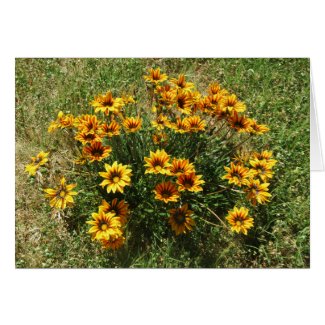
In order to thrive, plants need just the right conditions. As gardeners, we try to provide them. We prepare the ground, add nutrients to the soil, and plant seeds or transplants, and wait for growth. Yet more and more I'm finding God is much better than I at putting plants where they will grow when he choses. Take this gazania plant, for example.


Although I have beds containing gazanias all around my lawn, none of the individual plants are as big and beautiful as this one. God planted it in my lawn. Normally the plants spread  by runners. But this plant had to have sprouted from a seed carried by the wind. This plant has been thriving in the middle of my lawn for over a year now, and two others have appeared in other parts of the lawn since then.

Gazanias are drought resistant and almost nothing kills them. When I still had a gardener, I made him mow around this plant because I thought it was beautiful. It also inspired me because it bloomed and thrived where there were no others of its kind around it. The ground had not been irrigated for over a year and depended completely on rain most of the time. I sometimes help it a bit now if it's especially hot and dry. The soil got no extra nutrients or cultivating, and there were weedy grasses all around this gazania. Yet it continued to bloom and make beautiful flowers. What God plants, he also seems to take care of.

This gazania inspires me so much I made a greeting card out of it. The inside reads "Bloom where God planted you." We don't all get planted in the best surroundings or get the nurturing we need from those who are supposed to care for or mentor us, but that doesn't mean we can't thrive if God put us there.

g
The Kale and Lamb's Ears God Planted


God has planted a lot of kale and Lamb's Ears in my yard, but not always in my gardens. The kale plant you see above had a lot of children and grandchildren. Many turned up around the garage as second or third generation plants. They were children of the plants that landed across the driveway. This post tells the story of some of this plant's progeny.

Lamb's Ears are even more prolific than kale, if that's possible. If you have one Lamb's Ears plant, you will soon have a yard full. It multiplies faster than rabbits. You can see one clump of Lamb's Ears at the bottom of the photo above. But I didn't plant it. I only planted one of these -- in the corner by the walkway near the porch. Now the plant is everywhere. It jumped the walkway and took over in the flowerbed by the garage. It landed in this corner below. In fact I planted nothing in this section that isn't in a pot. God planted it all.

Flowers and Vegetables Can Thrive Where God Plants Them

In the photo above, from left to right, you see Lamb's Ears, a pink grapefruit yarrow in the pot, lemon balm in a pot and some which escaped from the pot, two tall clary sage that God planted, some small euphorbia transplants I brought over from Templeton (in the tiny pot), some iris leaves from some rhizomes I threw in a shallow cardboard box I covered with dirt and forgot about, and more Lamb's Ears sneaking around between the pots at the right end. Those irises I forgot about and never watered or fed, bloom every year. Below, I have a photo of one  in bloom. It was taken two months earlier than the photo above.

Flowers and Vegetables Can Thrive Where God Plants Them


Now Lamb's Ears occupies every flower bed.  It's now even beginning to take up residence in what used to be my lawn. 

Flowers and Vegetables Can Thrive Where God Plants Them
Lamb's Ears at Other End of Flower Bed in Photo Above. Irises are to the left and you can see a few tiny red buds of newly transplanted red valerian hiding between the Lamb's Ears and the iris leaves. 


More Unexpected Garden Volunteers


In 2013 I planted one mullein I thought was a clary sage because it was mislabeled. ( Borage, mullein, and clary sage look very much alike when young. See my post with their photos.) It grew in the front flower bed. It was the only one I ever planted. I planted one clary sage in a pot not far from it. I planted borage seeds at the other end of the bed and got a plant or two.

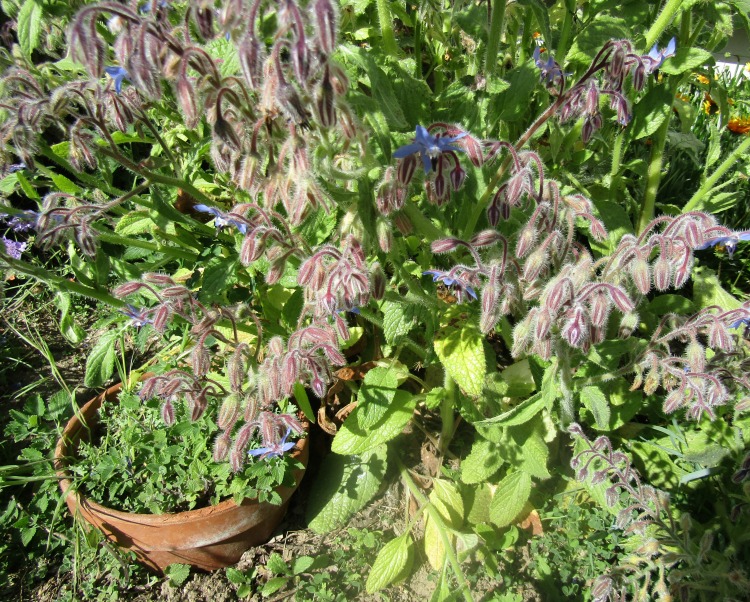
This year I was delighted after the rains to find that I not only had numerous clary sage babies, but I also had more mullein plants. One even sprouted in an empty pot and another in front of it. I had thrown the seeds around when the original plant died a couple of years ago. I guess some things take time. I also had my largest borage plant ever spout and thrive and it now has some babies.  I love the way it reseeds. You can see part of it below, with some of its babies at the very bottom of the photo. The bees love it. If you look carefully, you will see one foraging. That pot in front of the borage contains catmint. Some of it has escaped.


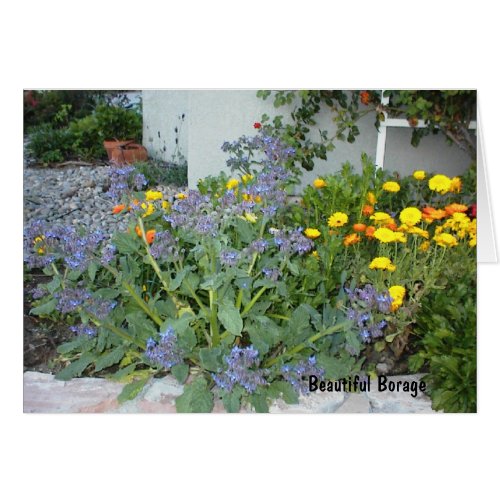
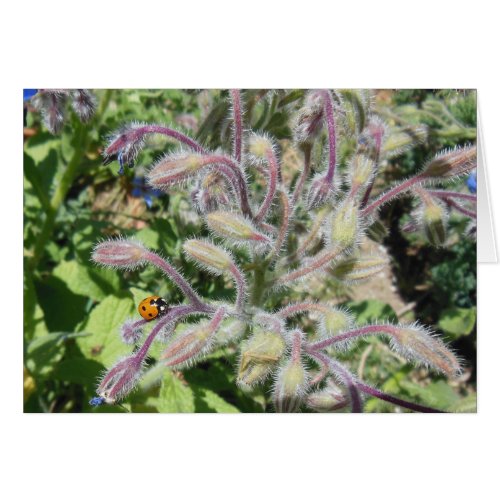
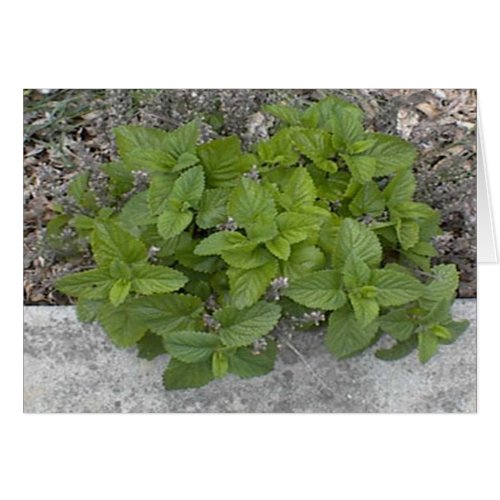
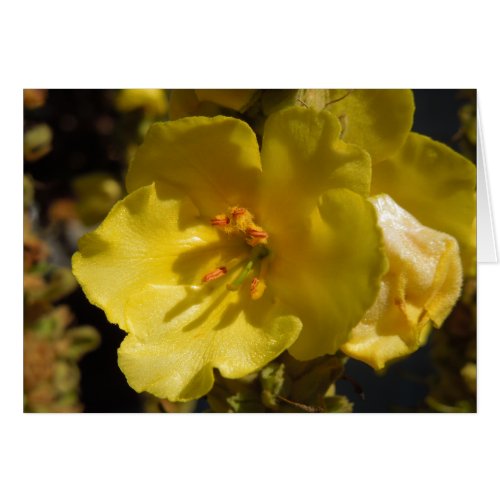
The cards below show off some of the plants God has provided for me. Most cards are blank but may have a title identifying the plant inside. You can customize them any way you want and add your own text.


I Love Having God Increase my Plants

I have not been able to spend the time I wanted to in my garden this year. The abundance of Lamb's Ears helps smoother the weeds that would otherwise take their place. Although I had hoped to plant some annuals this year, it's just not going to happen. I have too many health issues to solve and my biggest job is to keep the weeds down since my gardener quit. Because God provided so many new plant babies to fill my flower beds,  I'm going to have plenty of color during the spring and summer. 

How do you feel about volunteer plants? I've been sharing my plant babies with neighbors since I have more than I can use. I can always pull the surplus plants when I have time to replace them. I still need to plant some thyme I've rooted and some root divisions from some plants in Templeton I brought to the Paso house. So my work is cut out for me. 

Do you have any garden goals for this year?

Wednesday, October 11, 2017

Wordless Wednesday: Time to Schedule Garden Tasks for October

My Garden Is a Mess


Wordless Wednesday: Time to Schedule Garden Tasks for October
I need to finish pruning kale and thinning Lamb's Ears. © B. Radisavljevic


Decisions to Make about What to Keep


Thin or transplant new seedlings? Depends on whether they turn out to be borage, mullein, or clary sage.
© B. Radisavljevic

Where Shall I Start?


Prune herbs back, trim irises, or thin gazanias? Oh, my!  © B. Radisavljevic


I'd better see if any tree seedlings are lurking under these leaves. © B. Radisavljevic


Time to Schedule Garden Tasks for October - I'd rather look at this sunset.
I think I'd rather look at this than get to work. © B. Radisavljevic


Have You Started or Finished Your Autumn Garden Tasks Yet?

Wednesday, May 10, 2017

Irises Fading, Lamb's Ears Blooming, Chard and Kale Bolting

I Hate to Say Goodbye to My Irises

I have been enjoying irises in bloom since February, and I hate to see them go. Yet I can see more iris flowers dying each day. I'm glad there are still a few more buds that haven't bloomed yet. Below you can see what's left of a pale purple iris. The bending chard about to flower points to it. Above the chard a blooming Lamb's Ears plant reaches for the sky. 


Irises Fading, Lamb's Ears Blooming, Chard and Kale Bolting
Fading Iris, Bolting Chard, and Sages and Scabiosa in Background, © B. Radisavljevic

If you peak carefully behind that irsis, you can see the beginning of my tricolor sage starting to bloom. This is the first year it's bloomed for me. The large clary sage behind the iris shouldn't bloom until next month, but you never know. Learn more about clary sage and see it in bloom in my garden. Those blue flowers at the very back left are scabiosas, also known as pincushion flowers. I've often planted them in my gardens because they are perennial and seem to thrive.  

I took the photo below in a different flowerbed on the front corner of the lot. It shows the remaining light purple irises in all stages of development. You can also see the miniature roses that have started to bloom. They are later than my other roses. The yellow flowers are gazanias. They are closed today because it's overcast.

Irises Fading, Lamb's Ears Blooming, Chard and Kale Bolting
Irises Budding, Blooming, and Fading, Next to Miniature Roses, © B. Radisavljevic

Lamb's Ears in Bloom

I'd like to show you how fast Lamb's Ears grow. The shot below was taken at the end of February. Notice how short it is compared to the irises on the right, the lilies of the Nile in back, and the star jasmine in the background. The entire bed will change by May.

Irises Fading, Lamb's Ears Blooming, Chard and Kale Bolting
Lamb's Ears Next to Sidewalk, February, 2017. © B. Radisavljevic

In April I finally got around to thinning both the Lamb's Ears and the jasmine. They were smothering my Spanish sage and Sweet Williams. See Garden Tasks Finished before Storm.

Irises Fading, Lamb's Ears Blooming, Chard and Kale Bolting
Lamb's Ears Next to Sidewalk, April 6, 2017. © B. Radisavljevic


Now it's May 10, same year. Look at how the plants have grown. It amazes me how fast the Lamb's Ears shoot up and start blooming. It seems they grow half an inch a day in April. The star jasmine is also beginning to bloom. The yellow calendula to the right of the Lamb's Ears blooms all year. 

Irises Fading, Lamb's Ears Blooming, Chard and Kale Bolting
Lamb's Ears Next to Sidewalk, May 10, 2017. © B. Radisavljevic

I do love Lamb's Ears because it works well as a groundcover when I need it to smother weeds. It's also easy to pull when its fast growth becomes a problem. It looks like more will have to come out soon. All these Lamb's Ears plants have spread from other plants. I started with just one plant at this house. As it spread I planted a few of it's children in other beds. But many children also grow several feet from any I have planted. 

Lamb's Ears also have a certain graceful beauty. They lurk during the winter, but in spring they rise toward the sun and bloom. The bees use them for forage. Here's a close-up of the little flowers. Their gray leaves and fuzzy texture add contrast to the green of other plants to add interest to the garden all year round. 

Irises Fading, Lamb's Ears Blooming, Chard and Kale Bolting
Lamb's Ears in Bloom, May, 2017, © B. Radisavljevic


Books to Help You Grow Great Chard and Kale


The Chard and Kale are Bolting


The kale was just starting to flower a month ago on April 6. Now many of those flowers are seedpods. I will try to collect some, though there's probably no need. I never planted this kale. It sprouted from a seed from the mother plant across the yard. By collecting the seeds I'm more likely to get the seedlings where I want them.

Irises Fading, Lamb's Ears Blooming, Chard and Kale Bolting
Kale Flowers and Seedpods, May 10, 2017, © B. Radisavljevic


Here's a close-up of the flower. 

Irises Fading, Lamb's Ears Blooming, Chard and Kale Bolting
Kale Flowers, May 10, 2017, © B. Radisavljevic


One branch of this kale plant had started leaning over the sidewalk. Couldn't resist snapping this photo of it. 

Irises Fading, Lamb's Ears Blooming, Chard and Kale Bolting
Bolting Kale Branch Hanging Over Sidewalk, May 10, 2017, © B. Radisavljevic


Although the kale is already making seeds, the chard is just starting to flower. In the last couple of weeks the stalk has risen and you can see the flower buds on this chard plant forming. Just two months ago the main stalk and the leaves were red. (This is rhubarb chard.) As it begins to flower both have turned green, but you can still see a few traces of the red. 

Irises Fading, Lamb's Ears Blooming, Chard and Kale Bolting
Budding Chard, May 10, 2017, © B. Radisavljevic


When I went to the backyard on the same day to take a photo of the chard by the rose garden, I discovered my might I have two micro-climates on this same property. The the chard in the photo above grows in front and gets afternoon sun because it faces west. The chard plant beside the rose garden gets morning sun from the southeast. It also has the shelter of the fence and the roses from the north side. In any case, small flowers are already starting to bloom on the plant by the rose garden. 

Irises Fading, Lamb's Ears Blooming, Chard and Kale Bolting
Flowering Chard beside Roses, May 10, 2017, © B. Radisavljevic

It's the same small yard and same variety of chard, but one plant flowers slightly ahead of the other. 

I will leave you with one last photo from the front flowerbed of the chard and a blooming Lamb's Ears plant side by side. You can see how red the chard started out on the bottom part. You can also see how high the Lamb's Ears got in comparison. 


Related Posts


1st Iris This Year


Irises Are Garden Survivors

Monday, April 10, 2017

Garden Tasks Finished before Storm

Cutting Back the Lamb's Ears and Jasmine in the Bed by the Garage

Every day this spring I've walked by this poor Spanish Sage plant I could barely see because it was being covered by jasmine from above. That blocked its light. On April 5 I finally made some time to cut the jasmine back and expose the sage to the light again. 

Garden Tasks Finished before Storm
Jasmine Blocking the Light the Spanish Sage Needs

Here is the same plant when I finished pruning back the jasmine. I also cut back some of the sage. Because it's been straining to get the sun, it got very leggy, and you can see its bare branches that were hidden by the jasmine. You can also see the tiny leaves on those stems. I hope they will now grow up instead of continuing towards the sidewalk. 

Next winter I will have to do this job sooner and cut the sage way back, but this winter I had the flu all during January and then had steady dentist appointments during February and most of March. After getting my root canals done I didn't feel like working in the garden or anywhere else, and I was always playing catch-up on other work. In addition to that, it rained a lot and the ground was wet. 

Garden Tasks Finished before Storm
I pruned the jasmine that was covering the Spanish Sage and also thinned the Lamb's Ears that were trying to smother it.


Not far from the Spanish Sage was a Sweet William struggling to survive -- maybe more than one. It's hard to tell in the midst of all the jasmine and Lamb's Ears plants.  Normally the Sweet William plants that reseed return at this time of year, but this year the Lamb's Ears spread so much that they completely covered any of the seedlings trying to emerge. Although I do love Lamb's Ears, enough is enough. I will probably still have to trim more of it back. I took the photo below on March 28. I knew I had to uncover any plants under that Lamb's Ears patch, and I had to just keep pulling and pruning until I found this plant. I was hoping there would be more. Maybe there still will be.

Garden Tasks Finished before Storm


Below is a close-up of the struggling Sweet William after I pulled a lot of the Lamb's Ears away from it. I had not realized the Lamb's Ears were propping it up. It was also very leggy and fell flat. I may have to prop it up with a small stake to keep it upright. I'm hoping it will spread as time goes on. Plants have an amazing ability to recover, just as my butterfly bush did after a storm knocked it down. 

Garden Tasks Finished before Storm
Struggling Sweet William after I Thinned Lamb's Ears Around It.
 
The photo below puts my afternoon's work into context. The star jasmine is in the background against the wall. Left to right: jasmine, struggling sage, Lillies of the Nile between jasmine and Lamb's Ears in middle, the space where the Sweet William tries to gain ground, more Lamb's Ears, blooming calendulas with budding irises behind them. Between the calendula and the car, you see the low green of the gazanias with a tall flowering kale behind it next to the brick trim. 

Garden Tasks Finished before Storm


What I Accomplished in the Front Flowerbed 

If you read my last post, you saw the state of the front flowerbed before I started weeding and thinning and pruning on April 6. The Lamb's Ears were out of control, the hyssop that hadn't been pruned was brown and ugly and taking over, the oregano in the pot needed pruning, and grassy weeds were trying to overwhelm anything the other plants were leaving alone. 

The two photos below were taken on February 13. We had had so much rain that weeding was almost impossible. I was also weakened by all the dental work I was having done. After even more rain in March, by the day I started the work the state of this flowerbed was even worse. 

Garden Tasks Finished before Storm

Since it was February, the daffodils were budding. My chard on the right bottom had turned red. You can see the dead growth on the oregano in the terracotta pot. That brown clump to the left of it is the hyssop. It looked even browner when I started cutting it way back on April 6. Pruning the oregano was much easier. 

The worst job, though, was getting the grassy weeds that were taking over any bare ground they could find. Their roots are very hard to get out. They also entangle the roots of the plants I want to keep. Here they are surrounding my catmint. The catmint itself has escaped from its pot and is now also running amuck, but at least I can make tea out of that.  

Garden Tasks Finished before Storm
Catmint in and out of Pot Surrounded by Grassy Weeds

The photos show only a portion of the work that needed to be done. I was trying to finish the most urgent tasks before the storm that was supposed to hit later at night started. Here is how the area around the catmint pot looked by the time I was through. Not perfect, but good enough to scatter some old seeds around before the storm brought rain to water them. They were very old seeds, but I thought I'd see what happened. Mother Nature often surprises me. 

Garden Tasks Finished before Storm
Catmint Pot After Weeding

Below you see what the hyssop plant looked like when I finished with it. Better late than never. It will grow out again before it's time for it to bloom in June. A few green shoots are already peaking out. I did miss a couple of branches, but I'll get them after I finish the taxes. After the rain, the catmint in the pot perked up again. 

Garden Tasks Finished before Storm
Hyssop after Haircut

Here's how the front flowerbed looked after I finished working and had scattered my seeds. The rain came as promised later and all the next day, so I'm hoping maybe at least a couple of seeds will sprout. On the lower right, in front of the irises, you see a green carnation plant with the leaves of an old daffodil plant in front of it. You could not see that carnation before I cut back the hyssop which was covering it.  I had forgotten the carnation was there. I fed it. 

Garden Tasks Finished before Storm
A Good's Afternoon's Work in the Flowerbed


When I finished for the day, I took the pictures of the flower beds and then turned to get the sky toward the west. The sunset promised rain. And it came. I'm glad I pushed myself to get some of the preliminary work done before it started coming down. 

Garden Tasks Finished before Storm


***
Related Posts Plugin for WordPress, Blogger...