What is Urushiol?
Poison Oak Photos

I have written an article all about identifying poison oak in every stage of its life here: Oak and Poison Oak in Photos: Can You Tell the Difference? Poison oak is actually a beautiful plant - just not one to touch. I'm going to share some of my favorite photos of it in this post. I have plenty of opportunities to photograph it, since it grows on my property and in many of the oak forests that grow near me. It's easiest to spot in autumn when the leaves turn red, as above and below.

Poison oak loves to climb trees.

And live under trees.
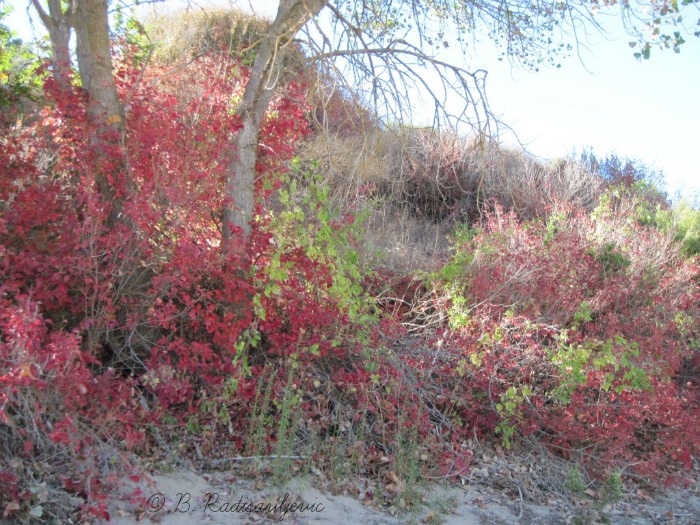
Wherever poison oak lives and hides, no matter how beautiful those red leaves, don't touch it or take it home to use in an autumn centerpiece. Remember, it's urushiol will make you itch.
What to do if You Do Touch It
If you should forget or somehow come in contact with the urushiol oil, wash your hands or any affected body parts as quickly as possible with warm soapy water. Don't bring contaminated clothes or shoes in the house if you can help it. Don't throw them anywhere but in the washing machine.
Here are some other facts you should be aware of. The most important one is that urushiol remains able to give you a rash for up to five years on a surface. That surface could be your clothes, the side of your car, or whatever else the oil touches.
Immediately wash contaminated objects, including clothes, with soap or detergent. You can wash the clothes in the washing machine, but wear gloves to do it, and then wash them. Clean the oil off your shoes, too, and don't forget the soles. Keep one of these products on hand if you have poison oak on your property, work on trails, frequent the woods, or hike a lot. If you apply these products immediately after or even before contact, you may be able to prevent the rash or lessen its effect on you. Here are three of the most highly reviewed.
Immediately wash contaminated objects, including clothes, with soap or detergent. You can wash the clothes in the washing machine, but wear gloves to do it, and then wash them. Clean the oil off your shoes, too, and don't forget the soles. Keep one of these products on hand if you have poison oak on your property, work on trails, frequent the woods, or hike a lot. If you apply these products immediately after or even before contact, you may be able to prevent the rash or lessen its effect on you. Here are three of the most highly reviewed.
Tecnu Extreme Poison Ivy & Oak Scrub—Removes Toxin from Skin that Causes Poison Ivy and Poison Oak Rash, 4-ounce TubeAll Terrain Natural Poison Ivy Oak/Bar 4oz, Helps Dry Rashes & Reduce Itching & Irritation from Poison Ivy, Poison Sumac, Poison OakDr. West's Poison Ivy Wash, 4oz spray bottle
If you found this post useful, please share it. The sharing buttons are just above the comment box at the end of the post. The photo below is especially designed for pinning.

This is my twenty-first post for the 2016 AtoZchallenge, a Blogging Challenge for the month of April, 2016. My theme is plants, since this is a gardening blog. Here are links to the other posts so far if you missed them.
A is for Apple Blossoms
B is for Bottlebrush
C is for Carnations
D is for Daisy
E is for Elderberry
F is for Flowers
G is for Gazania
Hollyhocks are Edible
Irises Are Garden Survivors
Jupiter's Beard: A Mystery Finally Solved
Kale for Lunch
Lion's Tail - A Perennial Summer Burst of Orange
Miner's Lettuce is Tasty and Free"Naked Ladies" Bloom in August
Oleander through the Year
Plant Pests and their Predators: Aphids and Ladybugs
Quince Fruit from Blossom to Table
Roses Are Not Just Red
Sages Add Color and Attract Beneficial Insects to Your Garden


