Showing posts with label fruit trees. Show all posts

Sunday, September 16, 2018

Can You Find These in Your City's Downtown?

Remnants of Rural Life in Downtown Paso Robles


My hairdresser gave me a late appointment Thursday afternoon. When she finished cutting my hair she invited me to stick around for a few minutes until she closed so we could take a walk downtown together. She knows I like to walk. We're almost neighbors in Templeton, but we only see each other during my haircuts. I welcomed the chance to walk with her.

Can You Find These in Your City's Downtown? I found a full size pomegranate tree in Downtown Paso Robles.
A Full Size Pomegranate Tree on Pine Street Across from the Train Depot

From Uptown Hair on 7th Street, we walked down Pine toward the City Park. I had been curious about seeing the new senior residential care center near 7th and Pine, across from the train station. Margaret knows a lot of the residents because she takes care of their hair. We didn't go in, but one of the residents thought we wanted to come in so she opened the door. Before we knew it one of the caregivers was behind her, making sure we were not up to anything nefarious.
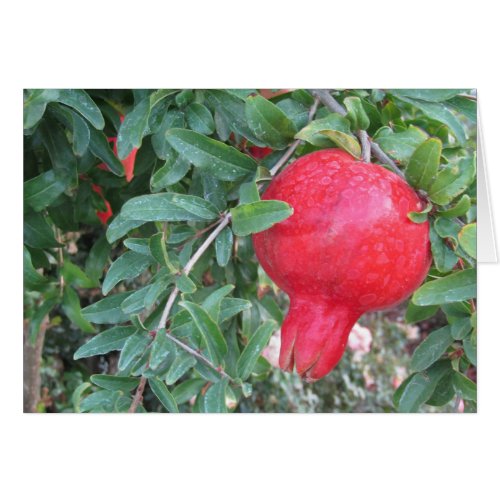



When we got to the corner we saw the pomegranate tree. I've seen my residential neighbors plant both dwarf trees with inedible fruits and full size pomegranate trees in their yards, but I've never seen one this large around the neighborhood. This one was huge. As you can see some of the fruit is beginning to turn red, but much is still green. I wonder if the homeless folks have discovered this healthy food source yet.

Can You Find These in Your City's Downtown? I found a full size pomegranate tree in Downtown Paso Robles.
Large Pomegranate Tree in Downtown Paso Robles


A Pumpkin Plant on a Commercial Lot?


Or might it be a squash plant? I couldn't get any closer to it since it was behind a fence on private property. In any case, it seemed a bit out of place so close to the center of town, but that's Paso Robles for you. There are still single family homes right downtown.


These urban gardens and fruit trees remind me that Paso Robles is still a city in the north end of an agricultural county. If I remember correctly the pomegranate tree is in front of a single family home. Now the area is mostly commercial. Still, there's an old almond orchard almost right across from the Marriott Hotel and the Gateway Center on Vine Street. And I've even seen deer use the crosswalks on 12th and Vine downtown


Grow Your Own Urban Garden!


Do you see fruits and vegetables growing in your downtown?


Can You Find These in Your City's Downtown? I found a full size pomegranate tree in Downtown Paso Robles.


Wednesday, April 20, 2016

Quince Fruit from Blossom to Table

Quince is a fruit resembling an apple in shape. It can be used like apples in recipes, though they need more sweetening. Unlike apples, the fruits are fuzzy and hard to prepare for eating. I probably never would have planted a quince tree, and, ironically, it has survived better than most of the trees we wanted enough to plant. It had been planted in our orchard by the a previous owner of our Templeton property. I have learned to eat it and in this post will show you photos of quince fruit from blossom to table. 

It produces these lovely quince blossoms in March.

Quince Fruit from Blossom to Table
Quince Blossoms in March, © B. Radisavljevic


By the middle of April, after the bees have finished pollinating them, the fruit begins to set.

Quince Fruit from Blossom to Table
Quince Fruit in Early Stages of Growth in April,  © B. Radisavljevic


Recently I tried to photograph the quince tree in the fruit setting stage on a windy day. It didn't work very well, so I made a video that doesn't mind the wind. Play in fullscreen for best view. It's short.


The quince ripen in autumn. Do you see the fuzz? You  can also see that the green is turning yellow, an indication the fruit is getting ripe. I usually keep the picked fruit on the counter in the house to let it finished ripening before I cook it.

Quince Fruit from Blossom to Table
Quince Fruit in Final Stage of Growth in Autumn,  © B. Radisavljevic


How to Cook and Eat Quince

Although my mother-in-law used to make quince jelly, I'm too lazy to make jelly or jam anymore. If you'd like to make it, here's a recipe for quince jelly. If you'd rather have someone else make it, that's also an option.


I combine my quince with the apples that get ripe at the same time to make a fruit compote. I use an equal number of apples and quince. Then I recruit my husband to peel and core the quince, since it's too tough a job for my arthritic hands anymore. We core, but don't bother to peel, the apples. I then cut them into bite-sized chunks and put them in the slow cooker.

I sprinkle the mixture with lots of cinnamon and enough sugar or agave syrup to reach a level of sweetness I like, and then I add about 1/3 cup water. I let it cook on high covered for an hour and then turn it down to low until it's tender enough for a fork to poke through it easily. I then taste to see if I need to adjust seasonings before either eating right away, putting in the refrigerator for later, or blending it into apple-quince sauce. I prefer it in chunks as a side dish to my morning toast and peanut butter. I also like it before bed with some BelVita Breakfast Biscuits. I enjoy every flavor I've tried. I usually get the  Blueberry or Cinnamon Brown Sugar varieties.

Quince Fruit from Blossom to Table
Quince Fruit in Compote Ready to Eat,  © B. Radisavljevic


How do you like to eat quince? 

If you enjoyed this post, please share it. The sharing buttons are just above the comment box at the end of the post. The photo below is especially designed for pinning.

Quince Fruit from Blossom to Table

This is my seventeenth post for the 2016 AtoZchallenge, a Blogging Challenge for the month of April, 2016. My theme is plants, since this is a gardening blog. Here are links to the other posts if you missed them.

A is for Apple Blossoms
B is for Bottlebrush
C is for Carnations
D is for Daisy
E is for Elderberry
F is for Flowers
G is for Gazania
Hollyhocks are Edible
Irises Are Garden Survivors
Jupiter's Beard: A Mystery Finally Solved
Kale for Lunch
Lion's Tail - A Perennial Summer Burst of Orange
Miner's Lettuce is Tasty and Free"Naked Ladies" Bloom in August
Oleander through the Year

Wednesday, April 06, 2016

Elderberry: A Useful California Native Tree

Elderberry is a California Native

Elderberry is often seen growing wherever it has found ideal conditions to sprout. That's how I got this tree. I didn't plant it. I just noticed it one day and decided to find out what it was.


E is for Elderberry
Elderberry and Milk Thistle, © B. Radisavljevic

Once it takes up residence on your property, it grows quickly. You could even use the old expression "grows like a weed" because it applies to the elderberry. It may also be growing right next to your other weeds, as the photo above shows.


Elderberry Grows all over San Luis Obispo County

E is for Elderberry
Elderberry in Bloom and Forming Fruit, © B. Radisavljevic


Many do consider it a weed. I never planted mine. I just allowed it to grow in peace. It would not surprise me to learn that birds plant most of our elderberry trees. They love elderberries, and I'll leave the rest to your imagination. Although the gardening books indicate the elderberry tree thrives in moist soil in full sun, mine has only the full sun. I have never watered it and we don't get much rain.

 My property came with a number of fruit trees already growing in a small home orchard. I think I had been there a few years when I was walking through the orchard and discovered a shrub I had never noticed before. It was covered with light yellow star-shaped flowers. By the time I had been able to identify it, it had turned into a tree. Once I knew what it was, I started noticing elderberry trees along the sides of roads, in vacant places, at Larry Moore Park, and even beside a parking structure in San Luis Obispo. (See photo below.) I was surprised to learn the elderberry is a relative of the honeysuckle.


E is for Elderberry
Elderberry Tree Beside Parking Structure in San Luis Obispo, © B. Radisavljevic

Blue Elderberries Are Edible and Are Sometimes Used Medicinally


Once I discovered I had elderberries, I remembered hearing on the Organic Gardening email list I once subscribed to that members had used used the berries to make elderberry wine and the flowers to make elderberry tea. I've seen recipes for elderberry pie, elderberry jam, and more. Members also shared their medicinal uses for elderberry. At that time, I still didn't know I had an elderberry tree. Once I  found out, I still decided to leave the berries for the birds unless the time came when I really needed to eat the berries, since most recipes use a lot of sugar to sweeten them and I'm supposed to refrain from sugar. Here is a closer look at the berries in various stages of ripeness.

E is for Elderberry
Elderberry Tree with Fruit in Various stages of Ripeness, © B. Radisavljevic

If you aren't growing any elderberries, but would like to use them for food, you can often find them in public places, ready to harvest. Just be sure you have properly identified them.  You can find help with this in my favorite go-to book for herbs and their uses, Rodale's Illustrated Encyclopedia of herbs. My 1997 edition devotes four pages of over 500 to just the identification, history, and uses of elderberry. It is equally useful in providing the information you might need on other herbs. No one who loves herbs should be without it.  it appears the book is out of print, but used copies are available at reasonable prices.

The two best books I own that include elderberry recipes are Edible and Useful Plants of California by Charlotte Clarke and Feasting Free on Wild Edibles by Bradford Angier. Unfortunately, neither has color illustrations like the books below do, but they do tell you what to do with your wild edible plants once you have identified and harvested them. Most books say you can get sick if you eat too many of them raw, so cook most of what you pick.There are some other wonderful books for foraging, identifying, and using California wild edible plants listed on Amazon that tempt me to buy more than I can afford. For elderberries, I'd probably start with the books below.


If you enjoyed the information in this post, please share it using the buttons just above the comment box. The photo below is just right for pinning.

E is for Elderberry


Tuesday, March 20, 2012

The Will to Survive Seems Built into Fruit Trees

The Will to Survive Seems Built into Fruit Trees
When we moved onto this property, the former owner had planted an orchard. Unfortunately, we were traveling so much those first few years we had neglected it. Also, I was not a great fan of quince, so I never did much with the quince tree, even though it faithfully produced a great crop every year. The video shows how this tree appeared last May.


I didn't know what to do with all those lovely quince, either, every winter, except cook them with apples, raisins and cinnamon for a fruit compote, which was tasty. I should have had this Quintessentially Quince. It has many more recipe ideas for using quince.

The former owner also planted a plum tree that produces delicious green plums every year. Only in the past few years did I realize it was there, so it was also neglected. This is how it looked last spring.

The Will to Survive Seems Built into Fruit Trees


These blossoms matured into fruit in the summer, and then in the fall and winter the leaves died, but they didn't fall off. That is amazing, since you can see how twisted the base of the tree is, and how many suckers are growing on it. It seems every time we are about to cut them off it rains. So they didn't get cut off. That's on my "to do" list for the weekend -- if it doesn't rain again. This is how the tree appeared last week. In the first picture, taken from a distance, the tree appears almost dead, with all those brown leaves hanging from the limbs. 

The Will to Survive Seems Built into Fruit Trees
Damaged Plum Tree, © B. Radisavljevic

Now take a closer look. There are some new blossoms that show life is, indeed still present.


The Will to Survive Seems Built into Fruit Trees
Damaged Plum Tree Starting to Bloom,, © B. Radisavljevic

A very close look shows the blossoms that still haven't opened, as well as the ones that have. It looks like this tree will thrive this year if the rain doesn't come during pollination. Soon the bees will be all over this tree, as they have in years past. 
The Will to Survive Seems Built into Fruit Trees


It is God's nature to want every living thing he created to thrive and bear fruit, even when we haven't done all we can to help it along. These trees were watered once or twice during the entire dry summer and never got any nutritional supplements. They weren't sprayed or pruned. Yet they bore fruit. Their roots went deep into the soil for water and nutrients that God gave them. I could have given God a bit more help if I'd had more time, energy, and this book, The Holistic Orchard

Some neglected children can be like these trees. I remember when we met my son, who was four at the time. He had been neglected by his mother and his father was in jail. Finally his mother took him, along with his older sister, to the county and abandoned them there. In spite of a distinct lack of attention, his natural and God-given compassion, curiosity, and survival instincts helped him to survive and thrive until he came into our home through foster care, and stayed there through adoption. We did not neglect him. You can read his story here. 

If you have both fruit trees and children, if you must neglect one, it had better be the trees until the children reach an age when they can help tend the trees. That way you can nurture both at once as your children learn where fruit comes from and realize they are helping put food on the table. 

Your thoughts? 


Wednesday, May 18, 2011

The Apple Tree's Will to Live

I wanted you to see that the delicious apple tree we've been following since it split in half is still alive. I was unable to photograph it while it was in blossom, but I did want you to see that it is leafing out again. This is how it looked on May 13, 2011.


I'm not sure if we should go ahead and let it try to bear fruit this year or not, since it probably should put it's energy into repairing itself.

We now have two other apple trees to care for, a young Fuji and an older prolific tree that looks rather like a McIntosh, but we didn't plant it, so we aren't sure what variety it is. I think it's time to get this book that's just about apples -- The Apple Grower: A Guide for the Organic Orchardist . The reviews indicate it's just the book we need at this point in time. I want the Fuji, which does have some tiny apples on it, to get what it needs to bear delicious fruit, and the older tree badly needs some attention, as well.

Wednesday, March 09, 2011

Neglected Fruit Trees Can Still Produce Tasty Fruit


Neglected Quince tree bearing fruit


When we moved onto this property, the former owner had planted an orchard. Unfortunately, we were traveling so much those first few years we had neglected it. Also, I was not a great fan of quince, so I never did much with the quince tree, even though it faithfully produced a great crop every year. I didn't know what to do with all those lovely quince, either, every winter, except cook them with apples, raisins and cinnamon for a fruit compote, which was tasty. The video shows how this tree appeared last May.


The former owner also planted a plum tree that produces delicious green plums every year. Only in the past few years did I realize it was there, so it was also neglected. This is how it looked last spring.

Neglected Fruit Trees Can Still Produce Tasty Fruit
Neglected Plum Tree in Bloom, © Barbara Radisavljevic


These blossoms matured into fruit in the summer, and then in the fall and winter the leaves died, but they didn't fall off. That is amazing, since you can see how twisted the base of the tree is, and how many suckers are growing on it. It seems every time we are about to cut them off it rains. So they didn't get cut off. That's on my "to do" list for the weekend -- if it doesn't rain again. This is how the tree appear last week. In the first picture, taken from a distance, the tree appears almost dead, with all those brown leaves hanging from the limbs. 


Now take a closer look. There are some new blossoms that show life is, indeed still present.


A very close look shows the blossoms that still haven't opened, as well as the ones that have. It looks like this tree will thrive this year if the rain doesn't come during pollination. Soon the bees will be all over this tree, as they have in years past. 


It is God's nature to want every living thing he created to thrive and bear fruit, even when we haven't done all we can to help it along. These trees were watered once or twice during the entire dry summer and never got any nutritional supplements. They weren't sprayed or pruned. Yet they bore fruit. Their roots went deep into the soil for water and nutrients that God gave them. Maybe if I make a real effort to care for these trees this year, they will not just survive, but thrive. 


Some neglected children can be like these trees. I remember when we met my son, who was four at the time. He had been neglected by his mother and his father was in jail. Finally his mother took him, along with his older sister, to the county and abandoned them there. In spite of a distinct lack of attention, his natural and God-given compassion, curiosity, and survival instincts helped him to survive and thrive until he came into our home through foster care, and stayed there through adoption. We did not neglect him. You can read his story here.  


Related Posts Plugin for WordPress, Blogger...