What Do Plants Need to Thrive?
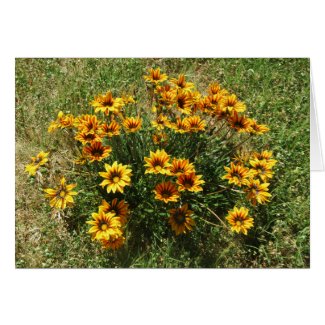
In order to thrive, plants need just the right conditions. As gardeners, we try to provide them. We prepare the ground, add nutrients to the soil, and plant seeds or transplants, and wait for growth. Yet more and more I'm finding God is much better than I at putting plants where they will grow when he choses. Take this gazania plant, for example.

Although I have beds containing gazanias all around my lawn, none of the individual plants are as big and beautiful as this one. God planted it in my lawn. Normally the plants spread by runners. But this plant had to have sprouted from a seed carried by the wind. This plant has been thriving in the middle of my lawn for over a year now, and two others have appeared in other parts of the lawn since then.
Gazanias are drought resistant and almost nothing kills them. When I still had a gardener, I made him mow around this plant because I thought it was beautiful. It also inspired me because it bloomed and thrived where there were no others of its kind around it. The ground had not been irrigated for over a year and depended completely on rain most of the time. I sometimes help it a bit now if it's especially hot and dry. The soil got no extra nutrients or cultivating, and there were weedy grasses all around this gazania. Yet it continued to bloom and make beautiful flowers. What God plants, he also seems to take care of.
This gazania inspires me so much I made a greeting card out of it. The inside reads "Bloom where God planted you." We don't all get planted in the best surroundings or get the nurturing we need from those who are supposed to care for or mentor us, but that doesn't mean we can't thrive if God put us there.
g
The Kale and Lamb's Ears God Planted

God has planted a lot of kale and Lamb's Ears in my yard, but not always in my gardens. The kale plant you see above had a lot of children and grandchildren. Many turned up around the garage as second or third generation plants. They were children of the plants that landed across the driveway. This post tells the story of some of this plant's progeny.
Lamb's Ears are even more prolific than kale, if that's possible. If you have one Lamb's Ears plant, you will soon have a yard full. It multiplies faster than rabbits. You can see one clump of Lamb's Ears at the bottom of the photo above. But I didn't plant it. I only planted one of these -- in the corner by the walkway near the porch. Now the plant is everywhere. It jumped the walkway and took over in the flowerbed by the garage. It landed in this corner below. In fact I planted nothing in this section that isn't in a pot. God planted it all.

In the photo above, from left to right, you see Lamb's Ears, a pink grapefruit yarrow in the pot, lemon balm in a pot and some which escaped from the pot, two tall clary sage that God planted, some small euphorbia transplants I brought over from Templeton (in the tiny pot), some iris leaves from some rhizomes I threw in a shallow cardboard box I covered with dirt and forgot about, and more Lamb's Ears sneaking around between the pots at the right end. Those irises I forgot about and never watered or fed, bloom every year. Below, I have a photo of one in bloom. It was taken two months earlier than the photo above.

Now Lamb's Ears occupies every flower bed. It's now even beginning to take up residence in what used to be my lawn.
 |
| Lamb's Ears at Other End of Flower Bed in Photo Above. Irises are to the left and you can see a few tiny red buds of newly transplanted red valerian hiding between the Lamb's Ears and the iris leaves. |
More Unexpected Garden Volunteers
In 2013 I planted one mullein I thought was a clary sage because it was mislabeled. ( Borage, mullein, and clary sage look very much alike when young. See my post with their photos.) It grew in the front flower bed. It was the only one I ever planted. I planted one clary sage in a pot not far from it. I planted borage seeds at the other end of the bed and got a plant or two.
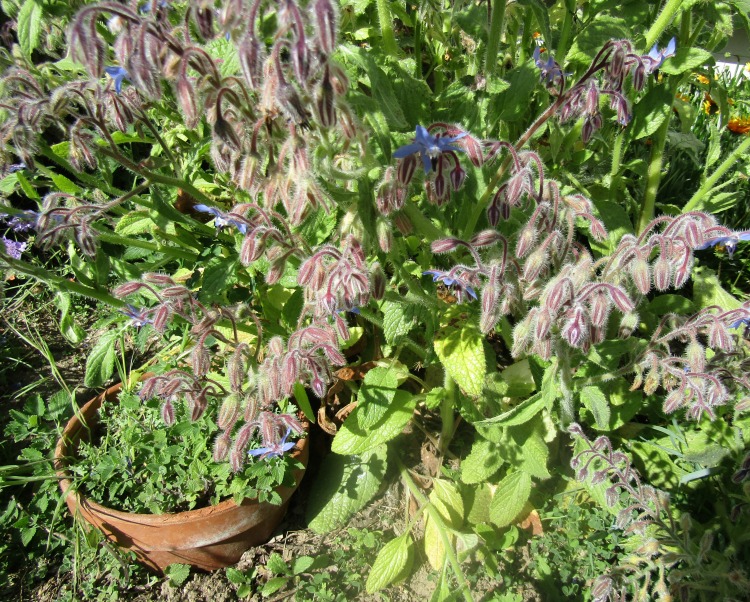
This year I was delighted after the rains to find that I not only had numerous clary sage babies, but I also had more mullein plants. One even sprouted in an empty pot and another in front of it. I had thrown the seeds around when the original plant died a couple of years ago. I guess some things take time. I also had my largest borage plant ever spout and thrive and it now has some babies. I love the way it reseeds. You can see part of it below, with some of its babies at the very bottom of the photo. The bees love it. If you look carefully, you will see one foraging. That pot in front of the borage contains catmint. Some of it has escaped.
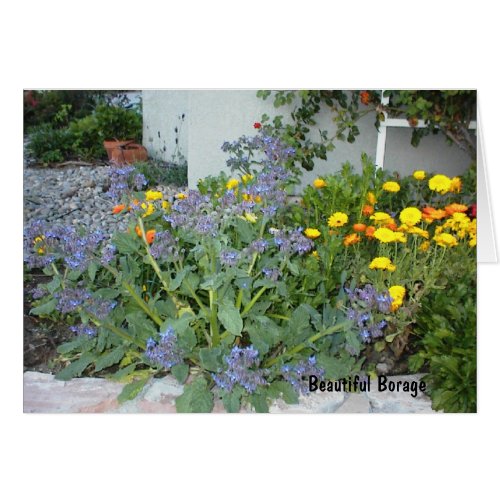
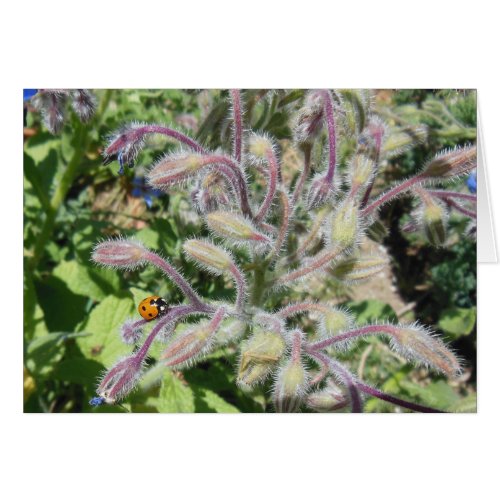
The cards below show off some of the plants God has provided for me. Most cards are blank but may have a title identifying the plant inside. You can customize them any way you want and add your own text.
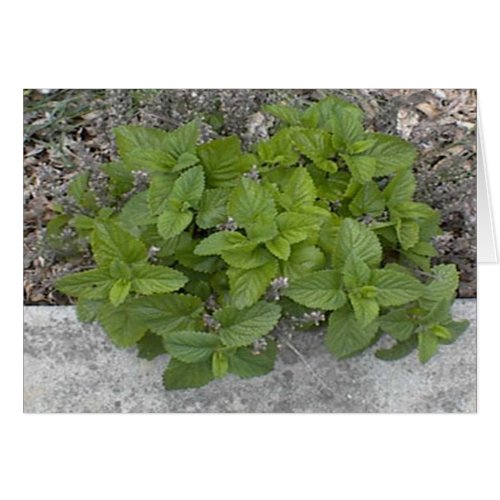
Borage-and-Calendula, Beautiful Borage Card Seven-Spotted Ladybug on Borage Blank CardGreeting Card: Lemon Balm CardMacro Yellow Mullein Flower Card
 Seven-Spotted Ladybug on Borage Blank Card
 Greeting Card: Lemon Balm Card
 Macro Yellow Mullein Flower Card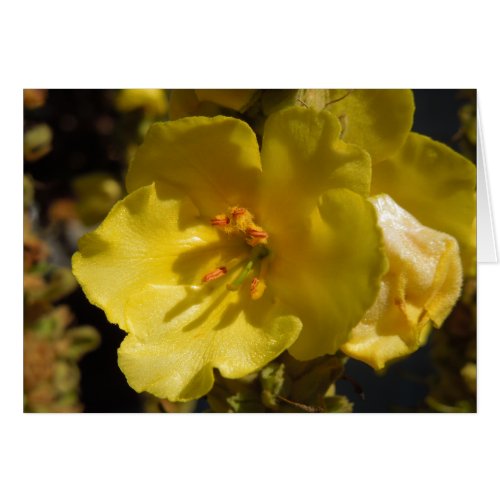
I Love Having God Increase my Plants
I have not been able to spend the time I wanted to in my garden this year. The abundance of Lamb's Ears helps smoother the weeds that would otherwise take their place. Although I had hoped to plant some annuals this year, it's just not going to happen. I have too many health issues to solve and my biggest job is to keep the weeds down since my gardener quit. Because God provided so many new plant babies to fill my flower beds, I'm going to have plenty of color during the spring and summer.
How do you feel about volunteer plants? I've been sharing my plant babies with neighbors since I have more than I can use. I can always pull the surplus plants when I have time to replace them. I still need to plant some thyme I've rooted and some root divisions from some plants in Templeton I brought to the Paso house. So my work is cut out for me.
Do you have any garden goals for this year?


